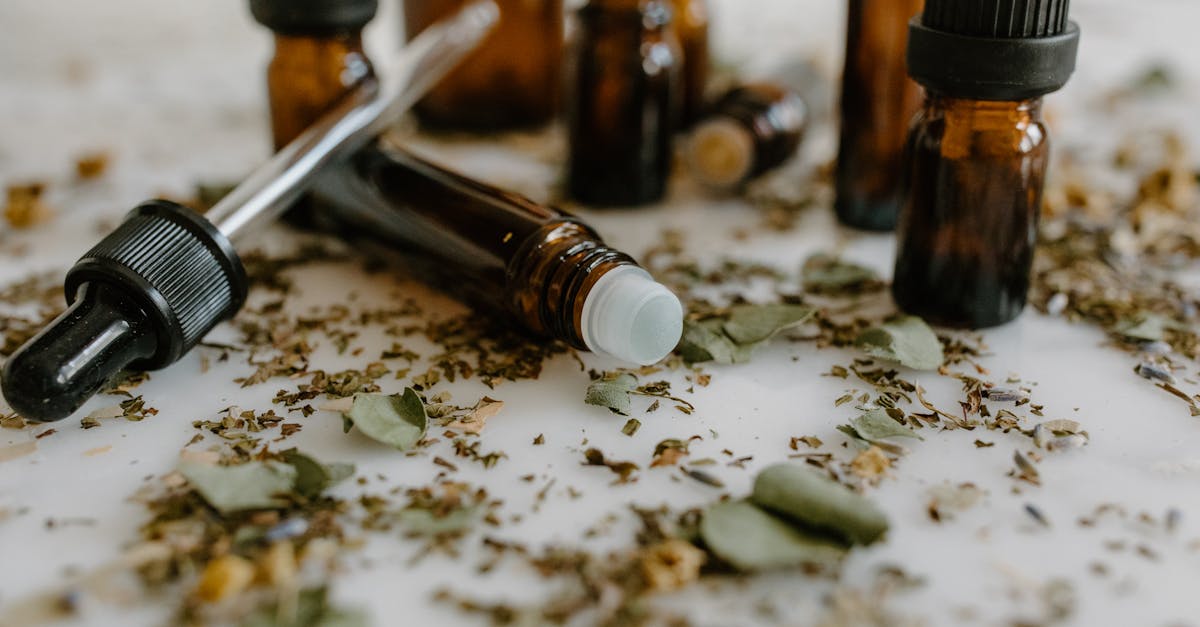
There’s something grounding about the simple ritual of dabbing a little lavender on your wrists before bed or breathing in eucalyptus when a cold sets in, which is partly why healing oils have found their way back into so many everyday wellness routines. Drawn from plants and rooted in age-old herbal traditions, they’re now used for everything from skincare to winding down after a long day. This guide looks at how to use them safely and effectively, drawing on both their history and the ways people turn to them today.
Key Takeaways
- Healing oils are central to modern natural wellness routines, providing benefits for relaxation, skincare, and emotional balance through both traditional and contemporary uses.
- Essential oils must be diluted with carrier oils before topical application to ensure safety and prevent skin irritation.
- Popular healing oils such as lavender, peppermint, and tea tree each offer distinct benefits, like promoting relaxation or supporting respiratory health, but require cautious use especially around children or sensitive individuals.
- Inhaling healing oils during meditation or aromatherapy can enhance mental clarity and calmness by engaging olfactory pathways connected to emotions and memory.
- When selecting healing oils, choose products with clear botanical labeling, purity information, and proper packaging to guarantee quality and efficacy.
- Always prioritise safety by avoiding ingestion of essential oils, conducting patch tests before use, and consulting healthcare professionals if adverse reactions occur or if pregnant, breastfeeding, or having chronic health conditions.
Understanding Healing Oils: Origins and Properties
Healing oils trace their roots to traditional herbalism and age-old wellness rituals, where plants like lavender, chamomile, and peppermint were integral in teas, balms, and baths to aid relaxation, digestion, and minor health issues. Essential oils are concentrated extracts obtained mainly through steam distillation or cold pressing of parts such as flowers, leaves, bark, or fruit. This process captures volatile aromatic compounds that carry the plant’s healing properties in a potent form. Carrier oils, on the other hand, are plant-based oils like jojoba, almond, or coconut, extracted by cold pressing. They serve as the base for diluting essential oils, enabling safe topical application without irritation or harm to the skin.
Popular Healing Oils and Their Unique Benefits
Several healing oils are widely used, each noted for specific traditional benefits, though scientific evidence ranges in strength. Lavender oil is celebrated for promoting relaxation and supporting sleep. Peppermint oil often helps relieve headaches and clear nasal congestion but should be avoided around young children and those with sensitive heart conditions due to possible agitation effects. Chamomile oil offers calming and soothing effects on the skin. Eucalyptus oil supports respiratory health, commonly used via inhalation. Tea tree oil stands out for its antimicrobial properties, making it popular in topical skin and scalp care. While these uses are common in aromatherapy and natural products, it is vital to recognise that large-scale clinical proof is still limited.
Methods of Applying Healing Oils in Daily Wellness Practices
Healing oils are integrated into daily wellness through several evidence-backed methods. Accessories like bracelets and necklaces containing absorbent materials allow users to inhale oils intermittently, maintaining subtle aromatherapy throughout the day. Aroma sticks or personal inhalers use a wick soaked in essential oils, providing controlled inhalation on demand. Topical applications such as body oils and roll-ons involve diluting essential oils in carrier oils and massaging them onto wrists, temples, chest, neck, or specific areas needing relief. Notably, some medical authorities recommend caution or avoidance of room diffusers in shared or sensitive environments to prevent adverse reactions, especially around children or vulnerable individuals.
Incorporating Healing Oils into Aromatherapy and Meditation
Many practitioners use healing oils to improve aromatherapy and meditation routines. Before or during activities such as meditation, breathwork, or yoga, oils can be inhaled through personal devices or applied topically in diluted blends. This practice helps establish a sensory connection between specific scents and states of relaxation. Inhalation activates olfactory pathways directly linked to brain areas governing emotions and memory, forming the foundation of aromatherapy’s therapeutic potential. This targeted approach supports mental clarity, calmness, and a more mindful experience during natural wellness practices.
The Role of Healing Oils in Natural Skincare and Body Care
Healing oils are valuable in natural skincare and body care products. When diluted appropriately, essential oils such as chamomile, tea tree, and lavender are added to massage oils, bath blends, creams, and balms to promote skin comfort and address issues like sensitivity or blemishes. Traditional bath rituals often include Epsom salts combined with flower infusions like rose or lavender to encourage relaxation and soothe the skin. Because essential oils are potent, their inclusion in personal care products must be carefully measured to minimise irritation risk while preserving their beneficial properties. This balance ensures natural skincare remains both effective and safe.
Safety Tips and Best Practices for Using Healing Oils
Safety is paramount when using healing oils. Essential oils should never be ingested due to their high concentration and lack of regulation, which could pose serious health risks without professional guidance. For topical use, dilution with suitable carrier oils is necessary to avoid irritation or allergic reactions. Users should conduct a patch test by applying a small diluted amount to the skin and waiting 24 hours for any adverse response. Oils like oregano, cinnamon bark, jasmine, lemongrass, ylang-ylang, chamomile, and bergamot carry higher risks of skin sensitivity. Peppermint and certain others should be avoided around children under 30 months and individuals with cardiac conditions. If symptoms such as redness, itching, or hives appear, discontinue use immediately and consult a healthcare professional. Also, pregnant or breastfeeding individuals and those with asthma, epilepsy, or chronic illnesses should seek medical advice before use.
Choosing Quality Healing Oils: What to Look For
Selecting quality healing oils involves careful assessment as there is no official certification for “therapeutic grade” oils. Look for labels that specify the Latin botanical name, plant part used, country of origin, and a clear ingredient list with stated purity levels. Opt for reputable companies known for transparent sourcing and rigorous testing protocols. Packaging should be in dark-coloured glass bottles, such as brown or blue, to safeguard the oils from light damage. Avoid products labeled simply as “fragrance” or “perfume” oils, as these often contain synthetic ingredients unsuitable for true aromatherapy. Pricing can be a useful indicator: authentic oils from costly botanicals like rose or sandalwood will not be available at bargain prices if pure. These criteria reflect current best practices endorsed by medical and aromatherapy experts.
About Range Products
Business: Range Products
Spokesperson: Penny Coupland
Position: Business Owner
Phone: +61 8 9358 4448
Email: [email protected]
Location: 6/138 Radium St., Welshpool WA, 6106 Australia
Website: https://www.rangeproducts.com.au/
Google Maps Link: https://maps.app.goo.gl/VLNwF2FxKbZ9k1nP6
Frequently Asked Questions About Healing Oils in Natural Wellness
What are healing oils and how are they used in modern wellness routines?
Healing oils include essential oils—concentrated plant extracts—and carrier oils used to dilute them. They support relaxation, skincare, and emotional balance via inhalation, topical application, or incorporation into meditation and natural body care.
Which healing oils are most popular and what benefits do they offer?
Lavender promotes relaxation and sleep, peppermint helps relieve headaches and congestion, chamomile soothes skin, eucalyptus supports respiratory health, and tea tree oil has antimicrobial properties for skin and scalp care.
How should essential oils be safely applied to the skin?
Essential oils must always be diluted with carrier oils like jojoba or almond to avoid irritation. Conduct a patch test by applying a small diluted amount and wait 24 hours to check for adverse reactions before regular use.
Can healing oils be used during meditation or yoga, and how?
Yes, diluted essential oils can be inhaled or applied topically before or during meditation and yoga to enhance relaxation by stimulating olfactory pathways linked to emotional and memory brain regions, aiding mindfulness and calmness.
Why should I avoid ingesting essential oils?
Essential oils are highly concentrated and lack regulation; ingestion can cause serious health risks. They should only be used externally or inhaled unless prescribed and supervised by a medical professional.
What should I look for when choosing quality healing oils?
Choose oils with clear labels including Latin plant names, plant parts, origin, and purity. Opt for reputable brands with transparent sourcing, dark glass bottles, and avoid fragrance or perfume oils that may contain synthetics.